A Simple Guide to The Best Food to Try Exclusively in Warsaw
Most people have heard of the well-known traditional Polish foods: barszcz, bigos, sauerkraut. However, Warsaw also has its own unique culinary styles and dishes, some of which have a long and symbolic history. Here you can learn about the food specialties exclusive to and originating in Warsaw.
Most people have heard of the well-known traditional Polish foods: barszcz, bigos, sauerkraut. However, Warsaw also has its own unique culinary styles and dishes, some of which have a long and symbolic history. Here you can learn about the food specialties exclusive to and originating in Warsaw.
Flaki po Warszawsku (Warsaw Tripe)
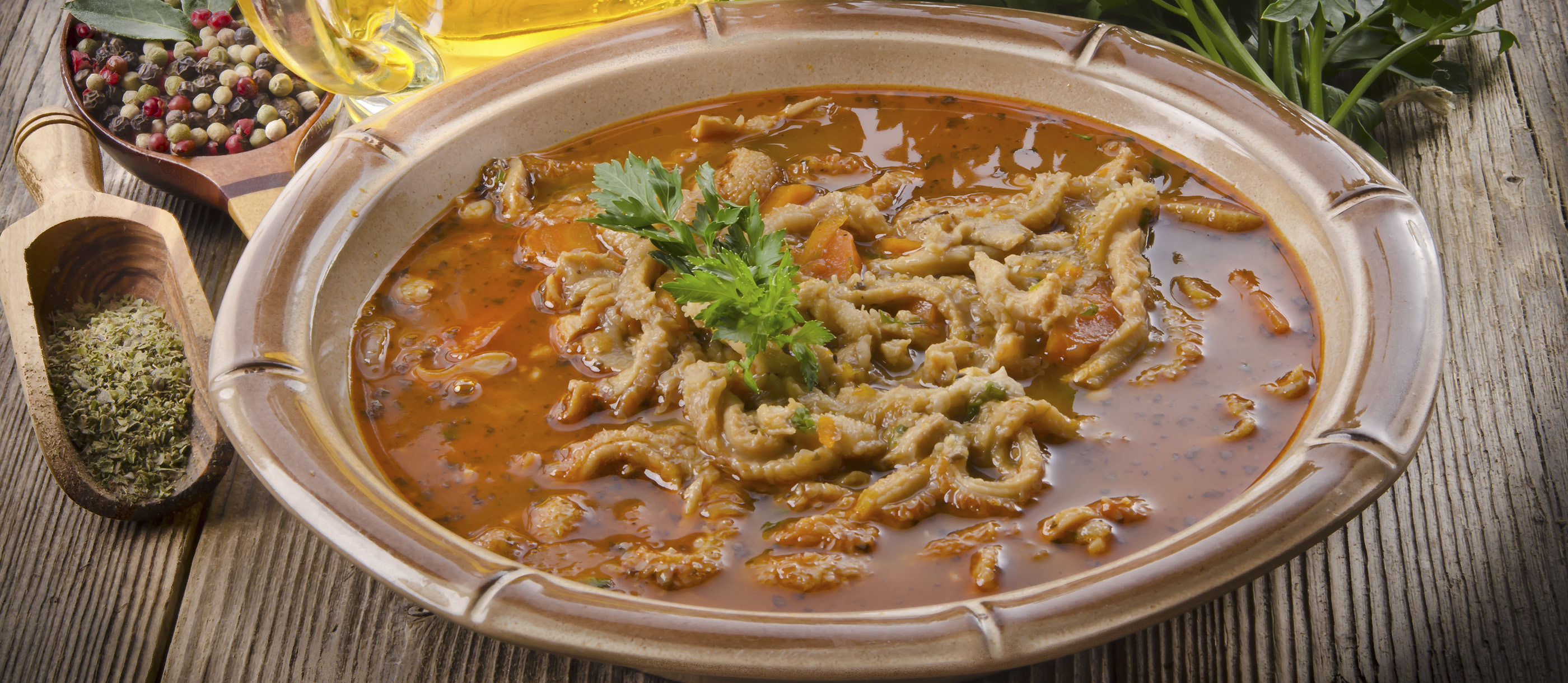
This is a beef tripe soup that is common in Poland, but with a Warsaw twist. The main ingredients include thinly sliced beef tripe (often honeycomb tripe) that is simmered in a rich broth of root vegetables. This soup has a very warming taste, with its signature spices being marjoram, nutmeg, and ginger amongst other spices. The Warsaw twist on this traditional dish comes in the form of added small meatballs, as well as bone marrow or seasoned ground meat. This gives the soup an even heartier flavour, and the flour and butter roux that is sometimes added, along with the meat, make the soup much thicker and more velvety.
This is a beef tripe soup that is common in Poland, but with a Warsaw twist. The main ingredients include thinly sliced beef tripe (often honeycomb tripe) that is simmered in a rich broth of root vegetables. This soup has a very warming taste, with its signature spices being marjoram, nutmeg, and ginger amongst other spices. The Warsaw twist on this traditional dish comes in the form of added small meatballs, as well as bone marrow or seasoned ground meat. This gives the soup an even heartier flavour, and the flour and butter roux that is sometimes added, along with the meat, make the soup much thicker and more velvety.
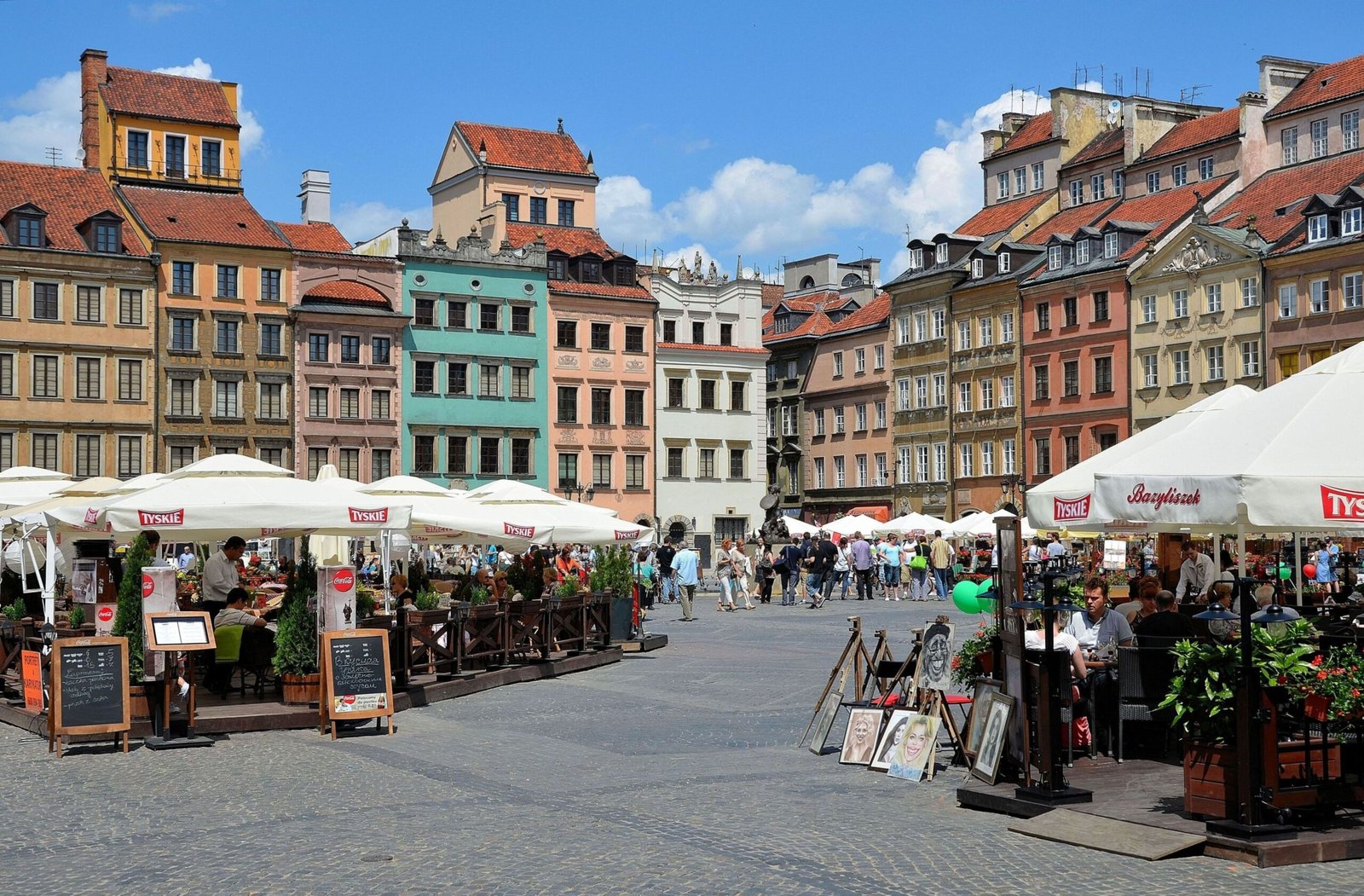
Being the most touristic place in Warsaw, it is very easy to get here: plenty of tram lines and buses stop here. After enjoying some time in the bustling centre, a walk in the nearby Krasiński Garden is the perfect place to have lunch or just relax.
Pyzy (Potato Dumplings)
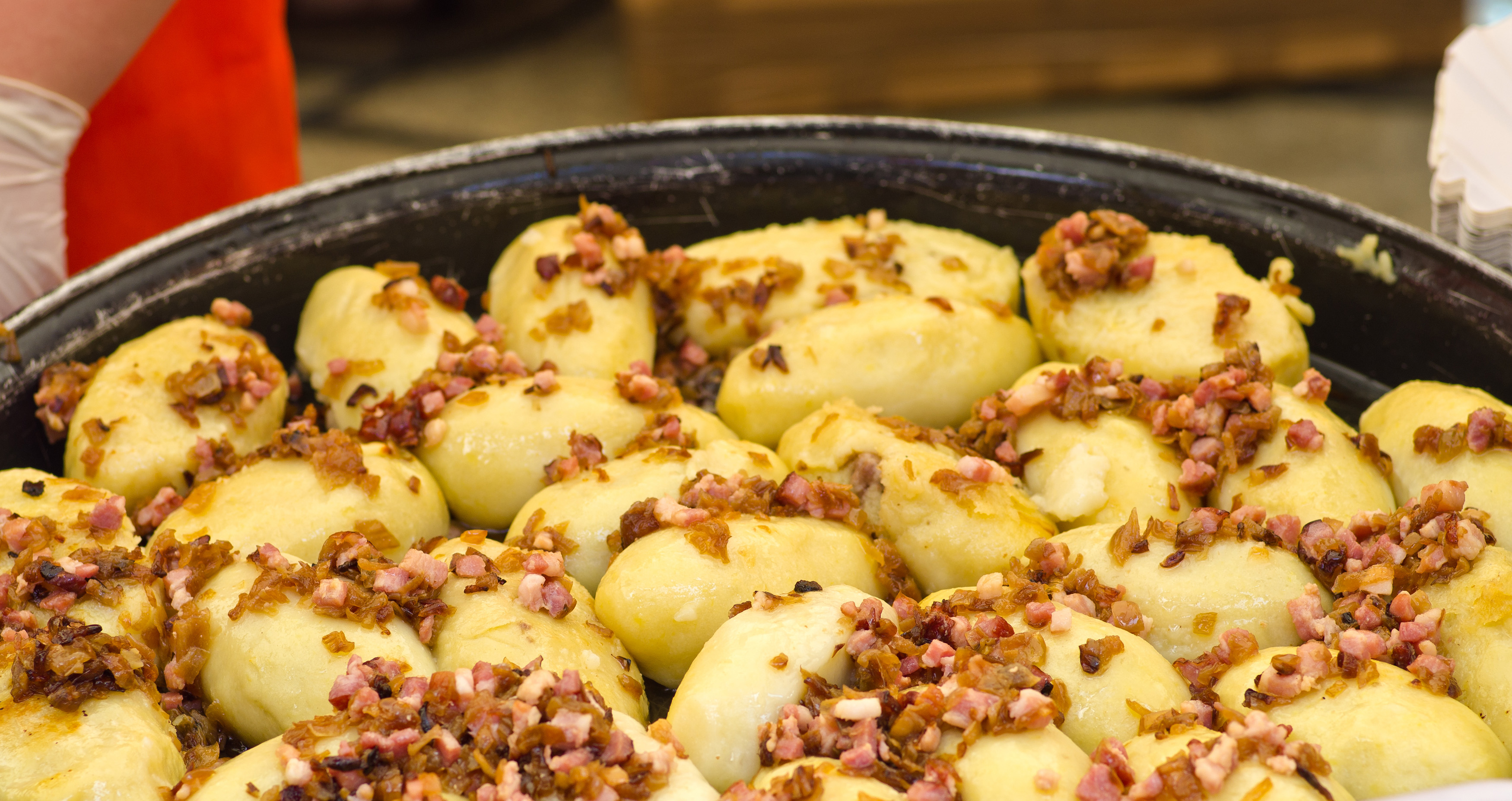
Pyzy ziemniaczane are a type of potato dumpling, prepared from a mix of raw, or raw and boiled potato. They are typically stuffed with meat, twaróg (a Polish curd cheese), or mushrooms. Alternatively they could be served without stuffing, with a dish on the side. Pyzy have a texture similar to gnocchi, but are denser and more elastic, and have the additional flavour of the filling.
Another type of pyzy exist: pyzy drożdżowe. They are made with flour, eggs, yeast, milk, butter and sugar, instead of potatoes. They are also cooked in boiling water or steamed. These types of pyzy are closer in texture to traditional dumplings, but due to the yeast are more airy and fluffy.
Wuzetka

The wuzetka is an airy and refreshing chocolate sponge and cream cake. The baked layers, soaked in punch, and the top side of the bottom layer being covered with a jam makes this cake a fluffy, yet non-drying desert, compared to many other sponge cakes. This cake began to sell in the 1940s along the Warsaw W-Z route that connects the Eastern part of the capital to the Western part, and it is said to have taken its name from there. For a long time this desert was exclusive to Warsaw itself, but has long become a loved delicacy all over Poland.
The wuzetka is an airy and refreshing chocolate sponge and cream cake. The baked layers, soaked in punch, and the top side of the bottom layer being covered with a jam makes this cake a fluffy, yet non-drying desert, compared to many other sponge cakes. This cake began to sell in the 1940s along the Warsaw W-Z route that connects the Eastern part of the capital to the Western part, and it is said to have taken its name from there. For a long time this desert was exclusive to Warsaw itself, but has long become a loved delicacy all over Poland.
Ptasie Mleczko
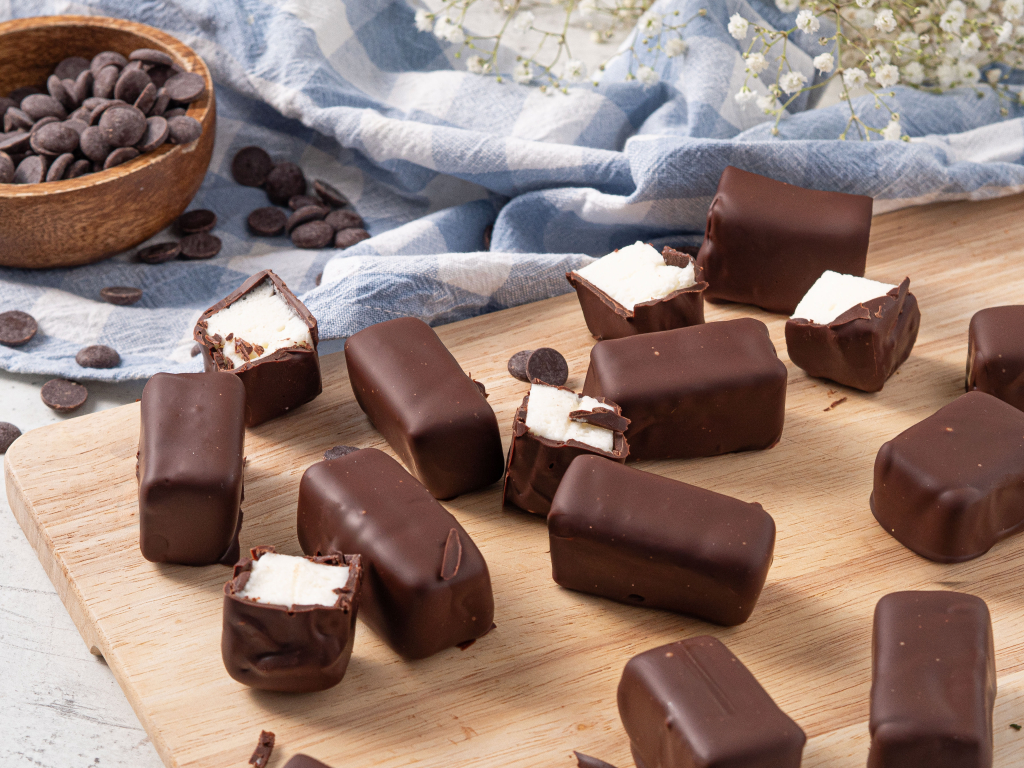
Jan Wedel himself created the ptasie mleczko, aka the bird’s milk in 1936. They are small, chocolate covered bars with a marshmallow-like interior. The interior is firmer and less compressible than a regular marshmallow, but has a satisfying denseness and softness to it once your teeth crunch through the outer layer. Ptasie mleczko come in an infinite amount of flavours for the marshmallow and the chocolate outside. Inside the E. Wedel Chocolate Factory Museum in Warsaw there is a room dedicated solely to ptasie mleczko.
Jan Wedel himself created the ptasie mleczko, aka the bird’s milk in 1936. They are small, chocolate covered bars with a marshmallow-like interior. The interior is firmer and less compressible than a regular marshmallow, but has a satisfying denseness and softness to it once your teeth crunch through the outer layer. Ptasie mleczko come in an infinite amount of flavours for the marshmallow and the chocolate outside. Inside the E. Wedel Chocolate Factory Museum in Warsaw there is a room dedicated solely to ptasie mleczko.
Pańska Skórka
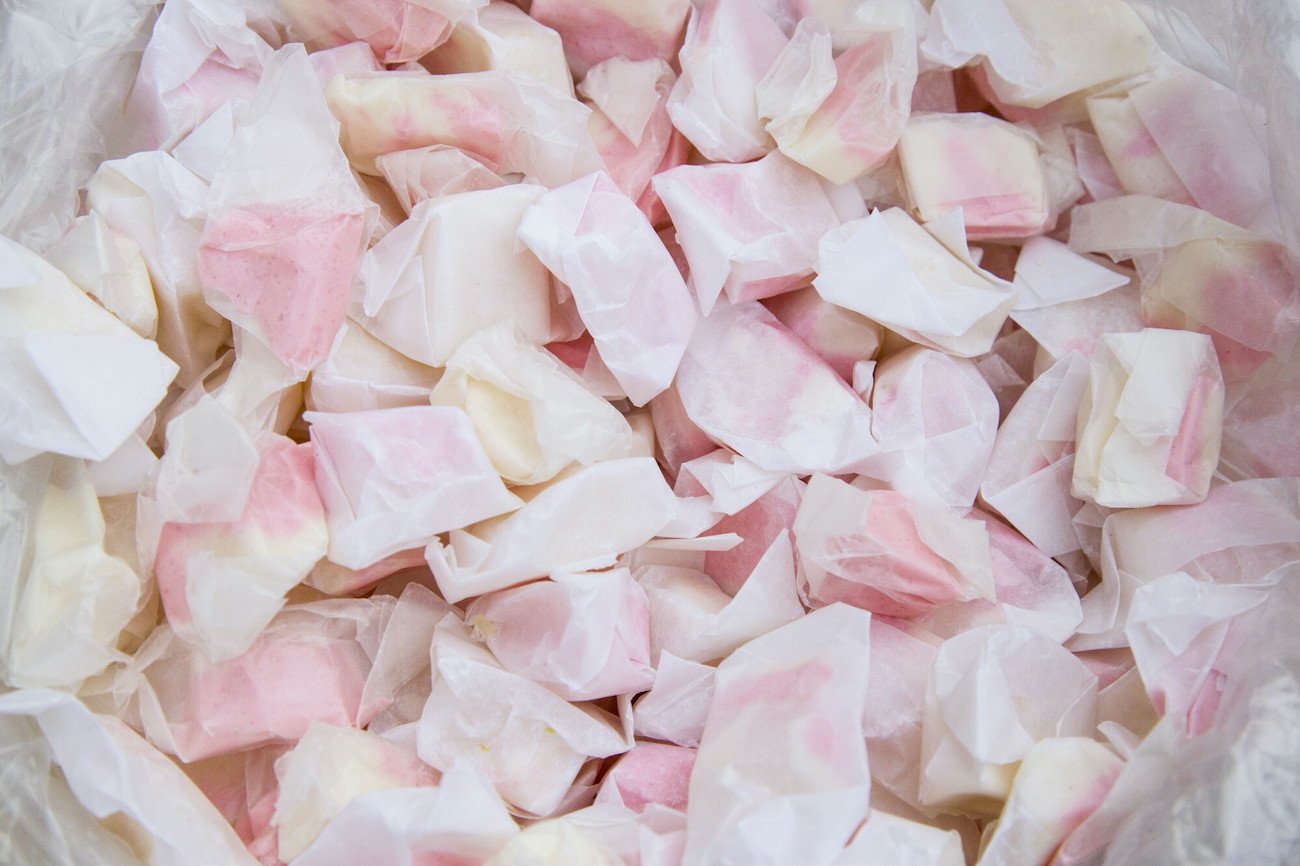
This firm, chewy sweet is made from mainly sugar, water, and whipped egg whites. It used to be sold as a sore throat remedy in the 19th century, then it was a sold at stalls on All Saints’ Day and now its a sweet tooth remedy! Pańska skórka softens as it warms, and turns into a chewy sweet inside the mouth. Older variations may be a bit more powdery, and the sweets overall have a delicate underlying caramel note as well as their added flavouring.
This firm, chewy sweet is made from mainly sugar, water, and whipped egg whites. It used to be sold as a sore throat remedy in the 19th century, then it was a sold at stalls on All Saints’ Day and now its a sweet tooth remedy! Pańska skórka softens as it warms, and turns into a chewy sweet inside the mouth. Older variations may be a bit more powdery, and the sweets overall have a delicate underlying caramel note as well as their added flavouring.
Kotlet Schabowy
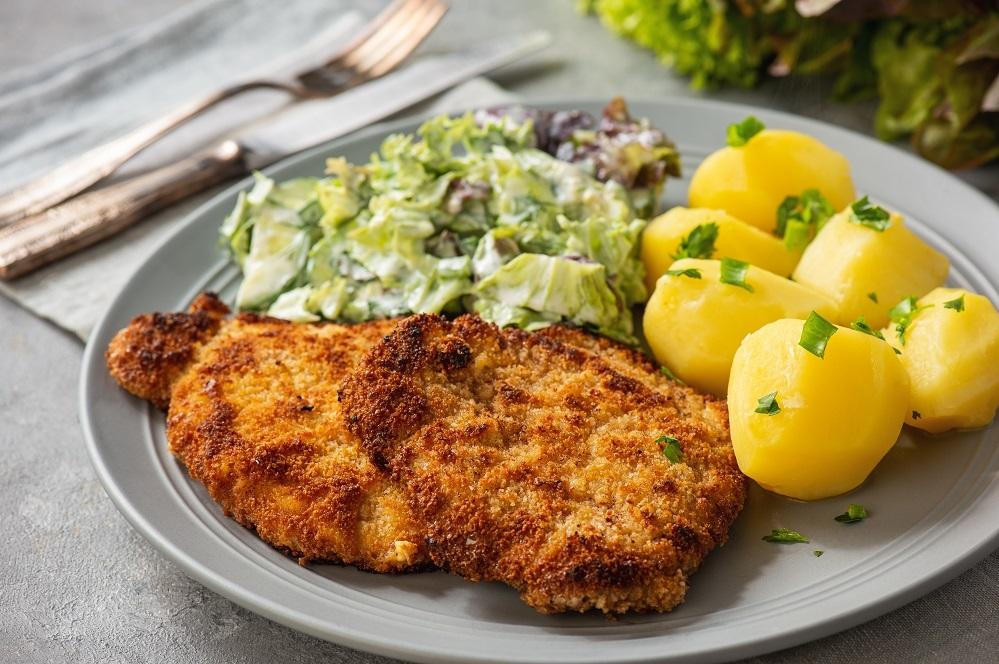
Kotlet schabowy is a breaded pork cutlet, often served with fried mushrooms, potatoes, coleslaw, and other side meals. Many cooks soak the pork in milk, sometimes mixed with onions, garlic, or spices, to keep the meat tender. The meat is then breaded, and fried in pork lard, butter, or oil until crispy. Kotlet is a perfect, neutral food that offers a crispy exterior, paired with a juicy interior, avoiding ultra-heavy spicing.
Kotlet schabowy is a breaded pork cutlet, often served with fried mushrooms, potatoes, coleslaw, and other side meals. Many cooks soak the pork in milk, sometimes mixed with onions, garlic, or spices, to keep the meat tender. The meat is then breaded, and fried in pork lard, butter, or oil until crispy. Kotlet is a perfect, neutral food that offers a crispy exterior, paired with a juicy interior, avoiding ultra-heavy spicing.
Final Advice
The best food in Warsaw is not necessarily in the centre, look around Praga, Powiśle, and other areas for better prices and more authentic menus. For large groups I would recommend going to food halls, especially for picky eaters or for more mixed cuisine preferences. In addition to this, despite many Polish foods containing meat, there are plenty of places that serve vegetarian meals; vegetarianism is a growing trend around the world after all.
The best food in Warsaw is not necessarily in the centre, look around Praga, Powiśle, and other areas for better prices and more authentic menus. For large groups I would recommend going to food halls, especially for picky eaters or for more mixed cuisine preferences. In addition to this, despite many Polish foods containing meat, there are plenty of places that serve vegetarian meals; vegetarianism is a growing trend around the world after all.