A Car-Free Guide to the Best Attractions to Visit In and Near Warsaw

Warsaw, like many areas of Poland, is a place abundant with public transport, and has many connections within Poland, as well as abroad. It is also a city rich with history and culture; it is a place which takes preservation of origin seriously.
After being turned into a wasteland during WW2 with 80% of the city destroyed, citizens and architects came together post-1945 to rebuild the city brick by brick. There soon emerged two sides of Warsaw: the Soviet side with wide concrete streets and tall luming buildings, and the more traditional side, with buildings such as the Royal Castle and Old Town being rebuilt like for like using old paintings.
In this day and age, Warsaw has evolved into a major economic hub, built a more modern skyline, but also preserved its history along the way.
The Must-Visits
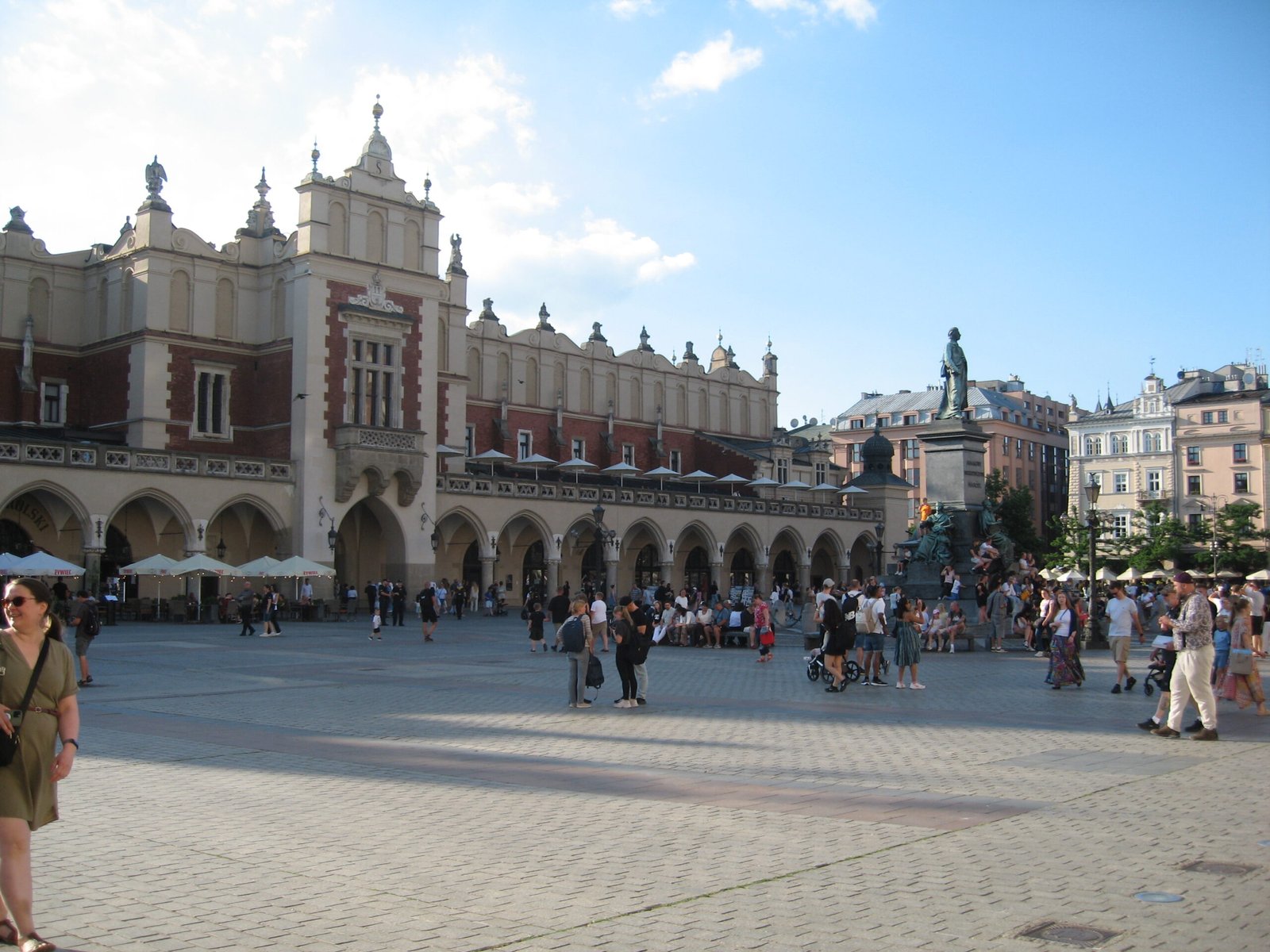
Warsaw Old Town


The Old Town was one of the areas of Warsaw that was completely rebuild after WW2. However, the settlement has previously dated back to the 13th-14th century. Although the Old Town mostly resembles the pre-war period, some artistic liberties have been taken. Being the most touristic place in Warsaw, it is very easy to get here: plenty of tram lines and buses stop here. After enjoying some time in the bustling centre, a walk in the nearby Krasiński Garden is the perfect place to have lunch or just relax.
The Old Town was one of the areas of Warsaw that was completely rebuild after WW2. However, the settlement has previously dated back to the 13th-14th century. Although the Old Town mostly resembles the pre-war period, some artistic liberties have been taken.
Being the most touristic place in Warsaw, it is very easy to get here: plenty of tram lines and buses stop here. After enjoying some time in the bustling centre, a walk in the nearby Krasiński Garden is the perfect place to have lunch or just relax.
The Warsaw Royal Castle


This castle, also rebuilt following the war, is a lavish display of the finest artworks in Poland. The exhibits have as many original artworks as possible, many displayed in the Jagellonian Rooms. The many other rooms include the Houses of Parliament, the Royal Apartments, and the Lanckoroński Collection. The most interesting things apart from the intricate design of the rooms is the heart of Tadeusz Kościuszko in an urn in the Royal Apartments, and a genuine Stradivarius violin in the Collection. Self guided tours around the main Royal Route take about 1.5-2 hours, with an extra hour added if visiting the Collection. A free cloakroom is provided and required for coats, bags, etc. The castle is situated in the Old Town, so getting there will most of the time be quite easy.
This castle, also rebuilt following the war, is a lavish display of the finest artworks in Poland. The exhibits have as many original artworks as possible, many displayed in the Jagellonian Rooms. The many other rooms include the Houses of Parliament, the Royal Apartments, and the Lanckoroński Collection.
The most interesting things apart from the intricate design of the rooms is the heart of Tadeusz Kościuszko in an urn in the Royal Apartments, and a genuine Stradivarius violin in the Collection.
Self guided tours around the main Royal Route take about 1.5-2 hours, with an extra hour added if visiting the Collection. A free cloakroom is provided and required for coats, bags, etc. The castle is situated in the Old Town, so getting there will most of the time be quite easy.
The Royal Baths (Łazienki Park)
The Royal Baths
(Łazienki Park)


The Royal Baths Park is the biggest park in Warsaw, and also one of the most beautifully decorated. Contrarily to its name though, the water in front of the Palace on the Isle, pictured above, is not suitable for swimming. The park boasts many different beauties, such as the Palace, a classical amphitheatre, the White House, Myślewicki Palace, two Orangeries, and other peculiar constructs. The park also has a wide variety of wildlife: red squirrels that eat out of your palm, and free roaming peacocks. If you visit the park between May and September, there will often be free Chopin concerts to enjoy in the park. The best part of this amazing park is that some buildings have free entry on Fridays for individual visits, with no reservations, so first come first serve!
The Royal Baths Park is the biggest park in Warsaw, and also one of the most beautifully decorated. Contrarily to its name though, the water in front of the Palace on the Isle, pictured above, is not suitable for swimming. The park boasts many different beauties, such as the Palace, a classical amphitheatre, the White House, Myślewicki Palace, two Orangeries, and other peculiar constructs.
The park also has a wide variety of wildlife: red squirrels that eat out of your palm, and free roaming peacocks. If you visit the park between May and September, there will often be free Chopin concerts to enjoy in the park. The best part of this amazing park is that some buildings have free entry on Fridays for individual visits, with no reservations, so first come first serve!
Palace of Culture and Science

This imposing building was, at the time of its completion in 1955, the eighth tallest building in the world. It used to be a symbol of Stalin’s relentless rule, but now, nestled between skyscrapers, it represents Poland’s march towards a futuristic and prosperous future. The Palace houses facilities such as an 8-screen cinema, a pool, the Museums of Evolution and Technology, and bookshops. The viewing terrace also offers a spectacular view of the city, and for a bargain price compared to other tourist destinations. The Palace has other temporary and permanent exhibitions that can be found on their website. The palace hosts events such as the Student Games Festival, and a Korea Festival!
This imposing building was, at the time of its completion in 1955, the eighth tallest building in the world. It used to be a symbol of Stalin’s relentless rule, but now, nestled between skyscrapers, it represents Poland’s march towards a futuristic and prosperous future. The Palace houses facilities such as an 8-screen cinema, a pool, the Museums of Evolution and Technology, and bookshops.
The viewing terrace also offers a spectacular view of the city, and for a bargain price compared to other tourist destinations. The Palace has other temporary and permanent exhibitions that can be found on their website. The palace hosts events such as the Student Games Festival, and a Korea Festival!
Day Trips from Warsaw
DeepSpot Poland

This impressive 45-metre deep pool is the second deepest in the world, and the deepest in Europe, which makes it a must-visit! They offer a multitude of experiences for both the experiences and beginners, such as scuba diving, freediving, and swimming with a mermaid tail. For those afraid of the depths, a viewing tunnel might be a better option, and the best part is that this unique viewing tunnel is free. Deepspot hosts events such as a mermaid group swims, challenges, and other gatherings, free to view. It terms of getting there, it involves a very simple and fair travel time of about 1hr 20 -1hr 45, with a maximum of one change. The entrance is about a 9 min walk from the bus stop.
This impressive 45-metre deep pool is the second deepest in the world, and the deepest in Europe, which makes it a must-visit! They offer a multitude of experiences for both the experiences and beginners, such as scuba diving, freediving, and swimming with a mermaid tail. For those afraid of the depths, a viewing tunnel might be a better option, and the best part is that this unique viewing tunnel is free.
Deepspot hosts events such as a mermaid group swims, challenges, and other gatherings, free to view. It terms of getting there, it involves a very simple and fair travel time of about 1hr 20 -1hr 45, with a maximum of one change. The entrance is about a 9 min walk from the bus stop.
Łódź


Łódź has a very long history, first mentioned in the 14th century, it was a private town for the bishops and clergy until the 18th century. Fast forward to WW2, the large Jewish minority was forced into the Łódź Ghetto. Nowadays, the city has flourished into a hub for tourism as well as business. Most notably the Manufactura, a 19th century factory turned shopping centre, bustling with life. There is also a Planetarium, Łódź factory, Izrael Poznański’s Palace, the Łódź Ghetto, and a Museum of the ‘Sewer Tube’, which is a peaceful, cooling, and surprisingly non-smelly experience. Getting to Łódź takes a modest 2 hours by train or bus. Buses are direct but trains require one change to a bus to get to the town centre.
Łódź has a very long history, first mentioned in the 14th century, it was a private town for the bishops and clergy until the 18th century. Fast forward to WW2, the large Jewish minority was forced into the Łódź Ghetto. Nowadays, the city has flourished into a hub for tourism as well as business. Most notably the Manufactura, a 19th century factory turned shopping centre, bustling with life.
There is also a Planetarium, Łódź factory, Izrael Poznański’s Palace, the Łódź Ghetto, and a Museum of the ‘Sewer Tube’, which is a peaceful, cooling, and surprisingly non-smelly experience. Getting to Łódź takes a modest 2 hours by train or bus. Buses are direct but trains require one change to a bus to get to the town centre.
Suntago Indoor Water Park
Suntago Indoor
Water Park

Suntago, the largest waterpark in Europe, has an endless array of activities for the thrill seekers and the spa day lovers. The pools range from wild wave pools, to brine pools, to sulphur pools. Relaxing in every single pool becomes part of the fun! The saunas come in interesting varieties too: cold saunas, wet saunas, ultra hot saunas, Egyptian themed saunas. As for the slides, there are so many to choose from, spanning the terrifying drop tunnels, to tamer slides. To get to Suntago, it would take about 1hr 30 – 1hr 45 by train and bus to get there. Alternatively, there is a dedicated ‘Suntago Bus’ you can take directly to the waterpark.
Suntago, the largest waterpark in Europe, has an endless array of activities for the thrill seekers and the spa day lovers. The pools range from wild wave pools, to brine pools, to sulphur pools. Relaxing in every single pool becomes part of the fun! The saunas come in interesting varieties too: cold saunas, wet saunas, ultra hot saunas, Egyptian themed saunas.
As for the slides, there are so many to choose from, spanning the terrifying drop tunnels, to tamer slides. To get to Suntago, it would take about 1hr 30 – 1hr 45 by train and bus to get there. Alternatively, there is a dedicated ‘Suntago Bus’ you can take directly to the waterpark.
Final Advice
Warsaw, as the capital of Poland, is a busy yet beautiful place. To make the most of your trip, I recommend arriving to places early to beat the crowds, and to reserve tickets in advance for a smooth trip. In terms of transport, trams and buses allow you to pay when you get on, and you can pay cash or card. Market stalls also widely accept card payments, as is the norm in many places.
Warsaw, as the capital of Poland, is a busy yet beautiful place. To make the most of your trip, I recommend arriving to places early to beat the crowds, and to reserve tickets in advance for a smooth trip. In terms of transport, trams and buses allow you to pay when you get on, and you can pay cash or card. Market stalls also widely accept card payments, as is the norm in many places.